Burghley House
The great Elizabethan house built by William Cecil, Lord Burghley, set in a Capability Brown deer park a short walk from the town centre. Gardens, sculpture garden and the annual Burghley Horse Trials.
Explore
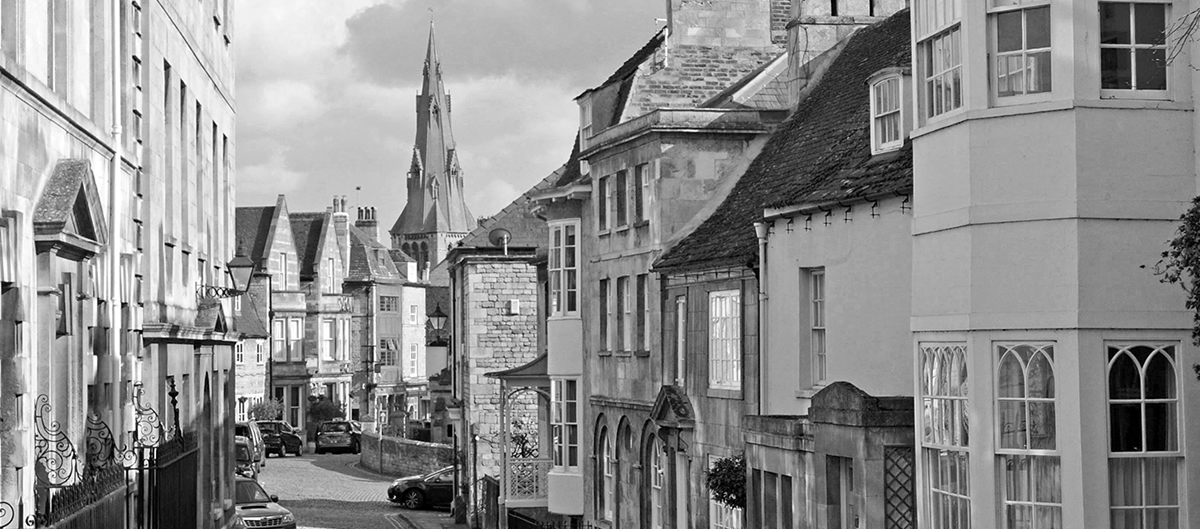
A joyous coincidence of geography and geology: prosperity from the wool trade, a mail-coach staging post on the Great North Road halfway between London and York, and the country's first conservation area, declared in 1967.
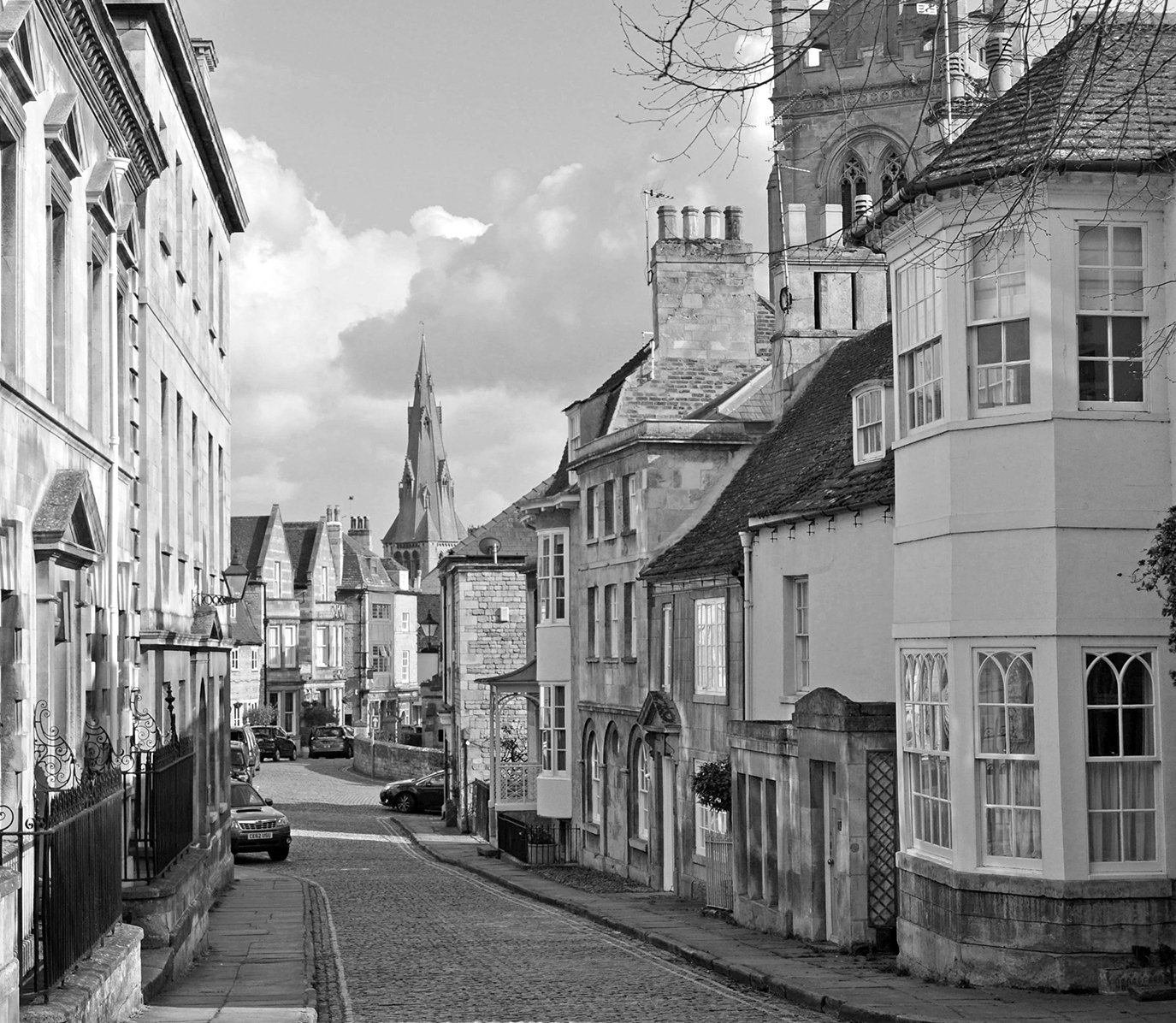
Stamford grew rich on wool and stone. Its limestone quarries gave the town the honey coloured buildings that still line every street, and its position on the Great North Road filled its coaching inns with travellers for centuries.
Because Stamford was the first town in the country to create a conservation area, in 1967, half a century of change has left its architectural heritage largely intact — over six hundred listed buildings within a compact town centre.
The town is a regular finalist in The Sunday Times best place to live in Britain survey, and idyllic enough to have played the backdrop for costume dramas from Middlemarch to Pride & Prejudice.
The great Elizabethan house built by William Cecil, Lord Burghley, set in a Capability Brown deer park a short walk from the town centre. Gardens, sculpture garden and the annual Burghley Horse Trials.
Five medieval churches still stand in the town centre. St Mary's, All Saints and St Martin's, where Lord Burghley is buried, reward an unhurried hour.
Water meadows right beside the town, crossed by the town bridge and the stepping-stone paths towards Uffington and the Welland valley.
A 15th-century wool merchant's almshouse on Broad Street, with original stained glass and a rare surviving medieval interior.
A Georgian assembly-room complex on St Mary's Street housing a theatre, cinema, gallery and the Cellar Bar.
Stamford stood in for Meryton in the 2005 Pride & Prejudice and for Middlemarch in the BBC adaptation. Little has changed since.
Stamford station sits on the Birmingham–Peterborough line, with connections at Peterborough for London King's Cross in under an hour. The station is a five minute walk from the High Street.
Leave the A1 at the Stamford junctions and follow signs for the town centre. Car parks at Cattle Market, Bath Row and Wharf Road are all a short walk from the shops.
Everything in this guide sits within a fifteen minute walk, apart from a handful of village pubs and restaurants in Rutland and the Welland valley.